The Invisible Shield: How Defensive Driving Stops Road Rage Before It Starts
Defensive driving acts as a physical and psychological buffer against toxic highway conflict. It shifts your focus from competing with other drivers to proactively managing risks. When you practice defensive driving, you do not just protect your front bumper; you actively de-escalate volatile situations before they spiral into full-blown road rage incidents.
-
The Anatomy of Highway Hostility
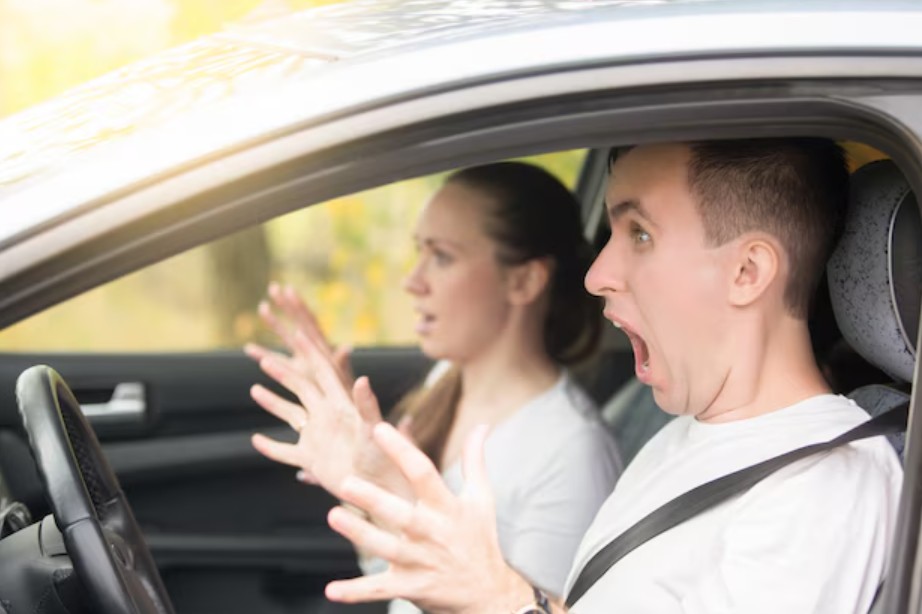
Road rage rarely happens in a vacuum. It typically starts with a trigger a sudden lane change without a signal, a tailgater, or a driver distracted by a phone. In a high-stress environment, these minor infractions feel like personal insults. The human brain interprets these perceived threats by triggering a fight-or-flight response, which can cause drivers to retaliate with aggressive behaviours like honking, flashing high beams, or blocking lanes.
Defensive driving breaks this chain reaction by introducing emotional distance. By understanding that bad driving behaviour is usually a result of poor planning, distraction, or lack of skill rather than personal malice, you remove the urge to retaliate. You view aggressive drivers as hazards to avoid rather than opponents to defeat.
-
Creating Space to Neutralise Aggression
The most practical defensive driving tool is space. Maintaining a safe following distance gives you time to react to sudden stops or erratic movements. It also removes the primary trigger for tailgating conflict.
When an aggressive driver approaches from behind, the defensive response is simple: change lanes and let them pass. Stubbornly holding your ground to teach them a lesson only accelerates their anger. Giving up the lane is not a sign of weakness; it is a tactical decision to remove a volatile variable from your immediate environment.
-
The Power of Predictability
Unpredictable behaviour breeds frustration on the road. When drivers weave through traffic without signalling, slam on their brakes, or cut across multiple lanes to catch an exit, they force others to react abruptly. These sudden reactions cause panic, and panic quickly turns into anger.
Defensive driving centres on predictability. By using turn signals early, accelerating smoothly, and maintaining a consistent speed, you communicate your intentions clearly to everyone around you. When other drivers know exactly what you are going to do, it eliminates the confusion that often sparks aggressive retaliation.
-
De-escalating Through Non-Engagement
If you find yourself the target of another driver’s anger, defensive driving principles dictate strict non-engagement. Aggressive drivers look for feedback to fuel their anger. An angry gesture, a prolonged horn blast, or eye contact can act as an invitation to escalate the conflict.
- Avoid eye contact: Looking directly at an angry driver can make them feel challenged.
- Keep your windows up: Lock your doors and do not roll down your windows to argue.
- Do not use your horn aggressively: The horn is a warning tool, not an emotional outlet.
- Drive to a safe location: If someone follows you, drive to a police station or a busy public area instead of heading home.
Conclusion
Defensive driving course online is your best defense against the unpredictability of human behaviour on the road. It transforms your daily commute from a stressful battle of egos into a controlled, manageable task. By prioritising space, predictability, and calm observation, you keep yourself safe and actively make the roads a less hostile environment for everyone else.