How to Prepare Your Site for Shipping Container Delivery
Buying a shipping container is straightforward. Getting it delivered without problems requires more preparation than most first-time buyers expect. Delivery day is where poor planning shows up: a truck that cannot access the site, a container set down on soft ground, or a placement that makes daily access difficult for years afterward.
The good news is that most delivery problems are entirely preventable. This guide covers what to assess, what to prepare, and what to communicate to your supplier before the truck arrives.
Understanding How Container Delivery Works
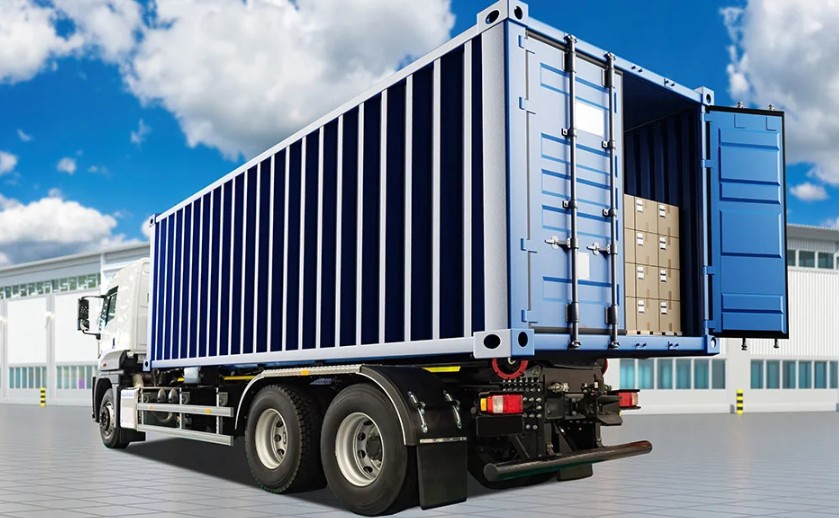
Shipping containers are delivered by specialized trucks, most commonly tilt-bed (also called roll-off or tilt-tray) vehicles. The truck drives to the drop point, tilts the bed at an angle, and slides the container onto the ground. No crane is involved in standard delivery. The process is efficient, but it requires specific site conditions to work safely.
The delivery driver needs a clear, straight run toward the placement area. The truck cannot reverse long distances on narrow lanes, navigate sharp turns at full load, or set a container down precisely on uneven or soft terrain. If those conditions are not met, the driver may be unable to complete the delivery or may set the container in a less-than-ideal location simply because it is the only viable option.
Knowing this ahead of time changes how you approach site preparation.
Access Route Requirements
The first thing to assess is how the truck will reach the placement area. Tilt-bed trucks are long vehicles, typically 50 to 70 feet in total length when loaded. They need sufficient width to travel without scraping fences, gates, or vegetation, and they need overhead clearance to avoid power lines, tree branches, and roof overhangs.
Walk the intended access route and look for the following:
- Gate or entrance width: the truck needs at least 12 to 14 feet of clearance to pass comfortably
- Overhead obstacles: branches, power lines, or any structure lower than roughly 14 feet can prevent access
- Sharp turns: if the driveway bends sharply, confirm with your supplier whether the truck can navigate it for your container size
- Surface condition: gravel and paved surfaces handle truck weight well; soft soil, especially after rain, can cause the truck to sink or get stuck
If your access route is borderline on any of these, flag it with the supplier before booking delivery. Some companies have alternative equipment for difficult sites, but they need to know about the constraint in advance.
Approach Distance at the Drop Point
Once the truck reaches the placement area, it needs a straight approach to set the container down. The tilt-bed mechanism requires the truck to drive forward past the intended placement point, then reverse back into position before tilting. For a 40ft container, that approach run is roughly 80 to 100 feet of clear, straight ground. For a 20ft container, it is considerably less, around 50 to 60 feet.
Measure this before delivery day. If the placement area is at the end of a driveway with a wall or structure immediately behind it, the driver may not have enough room to work. The container would then have to be placed wherever the geometry allows, which may not be where you want it.
If space is constrained, discuss the site layout with your supplier. In some cases, repositioning the container by even a few feet changes what is possible. In others, a crane delivery may be the practical solution, though it adds cost.
Ground Preparation for Stable Placement
A shipping container sits on four corner castings, the reinforced steel fittings at each corner of the base frame. The ground under those four points carries the entire load. Everything between them is essentially spanning the gap.
This means the container does not need a perfectly flat surface across its entire length, but the four corners need to be on solid, reasonably level ground. If one corner sinks or settles after placement, the container frame can rack slightly out of square, making the doors difficult to open and close.
Recommended base options include:
- Compacted gravel: the most common and cost-effective solution for most sites. A 4 to 6 inch layer of compacted crushed stone provides drainage and load distribution.
- Concrete pads: ideal for permanent installations. Pads do not need to run the full length of the container. Blocks under the four corners are sufficient.
- Railway ties or timber beams: a practical solution for rural or temporary placements where surface prep is not possible.
- Existing hard surfaces: paved driveways and concrete slabs work well if they are level and in good condition.
Avoid placing containers directly on bare soil, especially clay-heavy or poorly draining ground. Moisture beneath the container accelerates corrosion on the undercarriage and increases the risk of uneven settling over time.
Levelling: How Much Matters
Containers are not sensitive to minor grade variations, but significant slopes cause real problems. The doors are the most immediate indicator: if the container is noticeably out of level side to side, the door panels will bind against the frame and become difficult or impossible to open without adjustment.
A slope of up to about one inch across the width of the container is generally manageable. More than that, and you will likely need to shim the low corner to bring it back into tolerance. Shimming with steel plates or hardwood blocking under the corner castings is straightforward and should be planned for before delivery on any sloped site.
Front-to-back slope matters less for door operation but affects drainage. A very slight pitch toward the door end encourages any internal condensation to drain out rather than pool toward the back. This is a minor consideration for most buyers but worth noting for long-term placements.
Planning for Access After Placement
Where the container sits determines how usable it is every day after delivery. A few considerations that are easy to overlook until the container is already in place:
Door swing clearance is the most common oversight. Standard container doors open to approximately 270 degrees and pin against the side of the container when fully open. If the container is placed close to a fence, wall, or structure on the door end, the doors may not open fully, limiting what you can move in and out. Allow at least four to five feet of clearance in front of the door end, and confirm the doors can swing freely to each side.
Lighting and drainage are secondary but worth thinking through. A container placed in a shaded corner of a property with poor drainage around the perimeter will develop moisture problems faster than one sited with airflow and dry ground. Orient the container so natural light enters the door opening when it is in use, and ensure water drains away from the base rather than pooling underneath.
Communicating with Your Supplier Before Delivery
Most delivery problems stem from a mismatch between what the supplier assumes and what the site actually looks like. A brief conversation before the booking is confirmed prevents most of them.
Be prepared to describe or photograph:
- The access route from the road to the placement area
- Any overhead obstacles along the route
- The approximate dimensions of the placement area
- The ground surface condition at the drop point
- Any known constraints like locked gates, narrow passages, or low bridges on the approach road
Suppliers who have delivered to many sites will often ask these questions themselves. If they do not, volunteer the information anyway. The cost of a failed or complicated delivery almost always falls on the buyer in the form of re-delivery fees or repositioning charges.
Renting vs. Buying and How It Affects Site Planning
Site preparation considerations apply whether you are purchasing or renting, but the calculus shifts slightly depending on tenure. A permanent installation justifies a more invested base: concrete pads, proper drainage grading, and a defined access path. A temporary placement, such as a container used during a home renovation or construction project, may only need compacted gravel and basic levelling.
Buyers considering a long-term installation should also think about what happens if the container ever needs to be repositioned or removed. Leaving sufficient access around the container for a future delivery truck to hook up and pull it out is worth planning for even if removal is not anticipated in the near term. Shipping containers are durable and often stay in place for many years, but sites change, and having exit options matters.
What to Do the Day Before Delivery
A quick site check the day before delivery prevents last-minute surprises. Walk the access route one more time and confirm nothing has changed. A parked vehicle blocking the entrance, wet ground from recent rain, or a gate left locked can each cause delays on delivery day.
Mark the intended placement spot clearly if the driver has not been to your property before. Stakes, cones, or spray paint on the ground give the driver a reference point and reduce the chance of the container being set down in the wrong position. Once a loaded tilt-bed truck has set a container down, repositioning it requires additional equipment and cost.
If you are purchasing a used 40ft container or any larger unit, confirm that the placement surface has had time to firm up, particularly after rain. A truck carrying a fully loaded container exerts significant ground pressure, and soft spots that seem minor can cause real problems during delivery.
Frequently Asked QuestionsDo I need a permit to place a shipping container on my property?
It depends on your municipality and how long the container will be on-site. Many areas treat temporary container placements differently from permanent structures, but some require permits regardless. Check with your local planning or zoning office before delivery, especially for placements intended to be permanent.
Can a container be delivered to a rural property with an unpaved driveway?
Yes, in most cases, provided the surface is firm and the route is wide enough. Gravel or packed dirt driveways typically handle delivery trucks well when dry. Wet or muddy conditions are a more serious concern: delivery in those conditions can damage the driveway and may result in the truck getting stuck. Timing delivery after a dry period is advisable.
What happens if the container is set down in the wrong position?
Repositioning a container after delivery requires equipment such as a forklift, crane, or another specialized truck. This adds cost and may not be possible to arrange quickly. Getting the placement right on delivery day is worth the preparation time.
How level does the ground need to be for a container delivery?
A small amount of slope is acceptable and manageable with shimming, but the site should be reasonably flat. A side-to-side slope of more than one inch across the container width is likely to cause door alignment issues. Front-to-back slope has more tolerance and can sometimes be used intentionally to encourage drainage away from the container interior.